
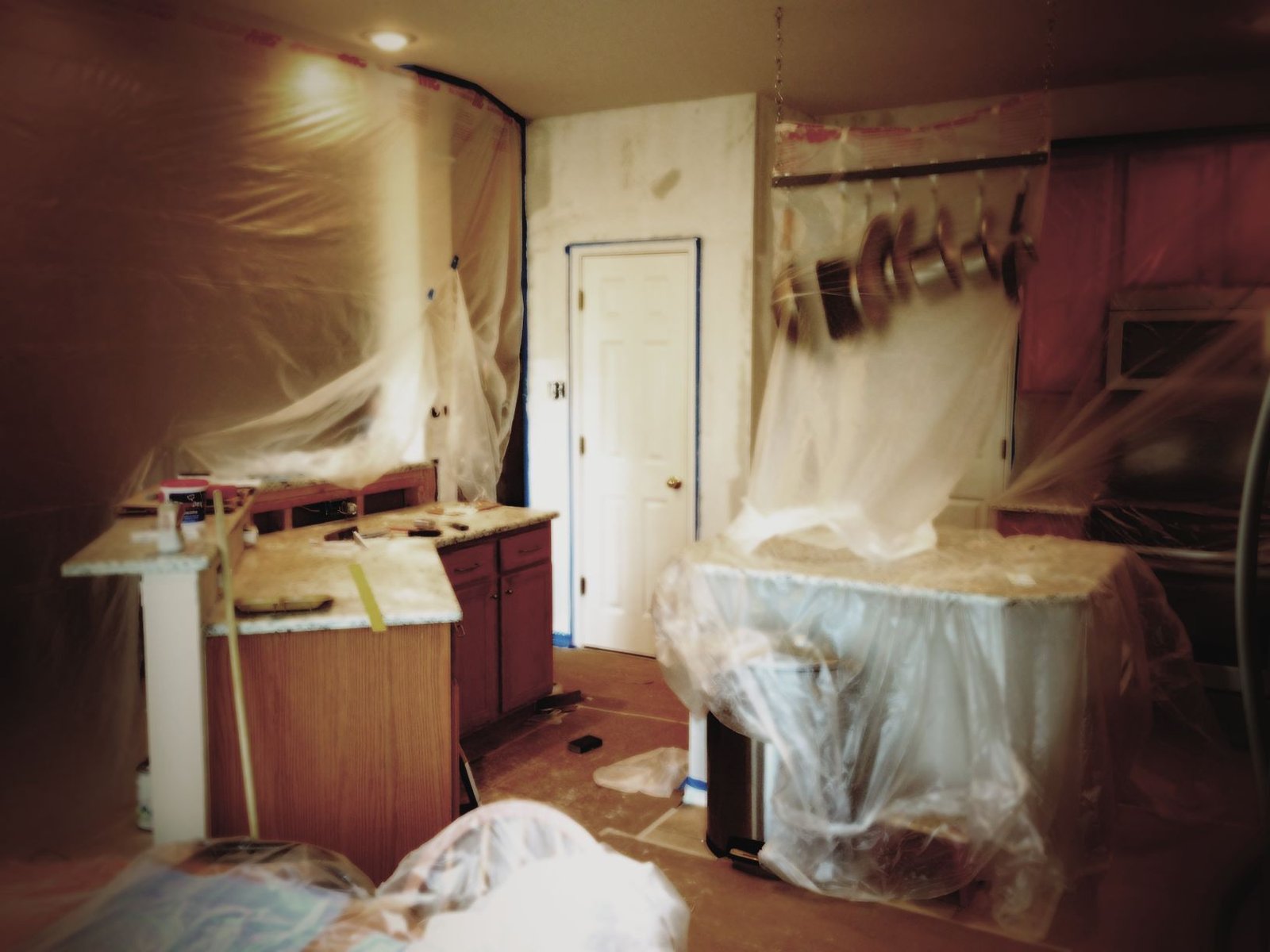
I like to think that nearly every project ever always began with the simplest idea. “Hey, what if we didn’t eat with our hands all the time?” or “Why hasn’t anyone put little chunks of chocolate into the cookie dough before baking?” or “Sure! Why not send a man to the moon by the end of the decade? How hard can it be?”
Then, at the end of the project — days, months, maybe even decades later — only then do you really see what that “simple idea” actually cost in time, money, and resources.
It’s natural for things to get more complex as you dig into them. Something you didn’t foresee. Or maybe something you very much foresaw but brushed off as inconsequential. The devil, as they say, is in the details.
And this is probably a good thing. I think if humans actually had the ability to see how much time, money, and resources a project would take — the actual, exact amount on the actual, exact end date — then we’d never start any project. This starry-eyed, visionary, how-hard-can-it-be optics fault we possess is likely the only reason we have forks, toll-house cookies, and footprints on our nearest natural satellite.
I’m only pondering this phenomenon because on June 3, now 18 days ago, I began a simple project. I wanted to create a Microsoft Word document that could be used as a template for manuscript novels. If you look up “how to format a manuscript” on the interwebs, you’ll see many variations of the same basic instructions.
- One inch margins
- Double spaced
- A times-like typeface in 12 pt black
- Filled with words that will become a NYT best-seller
- etc.
But almost none of them come with an associated file to download. The reasoning, I guess, is how hard can it be? Plus, not everyone uses the same word processor. So if you want a manuscript, just follow a few steps in your favorite software and *bam* you’re ready to submit your potentially best-selling words to a literary agent.
Still, though, I knew that a pre-formatted document could help. “How hard can it be?” I asked myself before setting off on a mini-project to craft a “Manuscript Template” for all the world to enjoy.
Well, I’m over two weeks and almost twenty-eight hours into this project and it’s still not done. It went something like this:
- I began a new document
- Worked on crafting custom styles for the task
- Tested it
- Shared it with beta testers
- I then wondered if it would work on a Mac. Or on older versions of Windows.
- Tested on macOS. Tested on Word for Windows versions 2003, 2010, and the latest
- Decided it needed documentation
- Decided the documentation really didn’t convey the benefits of how it behaved
- Created a how-to video
- Needed a place to put the video
- Resurrected “Technitivity”: my mini software company
- Created a YouTube channel for it
- Decided to freshen up technitivity.com while I was at it
- Wait, I need a solid download manager for it…
- Hang on, this counts as software. How should I license it?
- . . .
I’m still not done. Close. But not one hundred percent the way there. And talk about sucking the life out of something that was supposed to be quick and fun. Like, it’s just an empty Microsoft Word document. How hard can it be?
Tami
You just described project management woes for every single project I’ve ever been on.
And your note about how if we KNEW, we probably wouldn’t start? Very on-the-nose. Depressing but also a little uplifting in a weird way.
Thanks. I needed this post
Charlie
Please to enjoy my personal take on The Project Lifecycle: